Cool Comfort: Perfecting the Craft of AC Setup
As summer warms up and temperatures increase, the coziness of our homes turns into a high priority. There is nothing quite like walking into a cool, air-conditioned space following a day under in the sun. However, reaching that ideal indoor climate starts long before the initial wave of heat arrives. Grasping the details of air conditioning installation is essential for property owners who want to create a pleasant living environment.
In this comprehensive guide, we will explore all you need to know about air conditioning installation. From recognizing the signs that it's the moment to replace your unit to learning how to choose the right system for your home, we’ll cover crucial topics. You will discover the differences between central air versus ductless mini-split systems, delve into the costs associated, and find out how to prepare your home for a seamless installation. Whether More help are a first-time homeowner or looking to upgrade your existing system, mastering the art of AC setup will ensure you experience the bliss of refreshing comfort all season long.
Indicators That You Require a Replacement AC
A of the clearest signs that you may need a replacement air conditioning system is if your current unit is exceeding 15 years old. As air conditioners age, their efficiency tends to decline, leading to higher energy bills and uneven cooling efficacy. If you observe that your home is not cooling uniformly or requires more time to reach your desired temperature, it could be a sign that your system is struggling and may need replacement.
Another sign that it’s time for a new AC is repeated breakdowns or costly repairs. If you happen to be repeatedly calling for repairs or if the repair costs accumulate to exceeding half the price of a replacement unit, it may be better financially to invest in a replacement air conditioner. A good unit should run smoothly, and constant issues can indicate underlying problems that may not justify the cost of continued repairs.
Moreover, if you witness a significant increase in your energy bills despite a corresponding change in usage, your air conditioner could be operating efficiently. air conditioning installation Camberley consume more electricity as they strive to cool your home, leading to increased utility costs. If you suspect your AC is outdated or inefficient, it may be time to consider a replacement installation that can offer better cooling and reduced energy costs.
Deciding the Right AC Unit
Picking the right air conditioning unit for your home can greatly affect your ease and energy bills. Initially, think about the dimensions of your home, as proper AC dimensioning is crucial for effectiveness. A unit that is too small will struggle to refresh your home, while one that is oversized will turn on and off, spending energy and leading to increased deterioration. Performing a load calculation is recommended, often performed by professionals, to identify the correct capacity for your air conditioning system.
Then, review the varieties of units available. Central air conditioning systems are perfect for cooling larger homes with existing ductwork. They provide consistent cooling throughout various rooms but can require higher installation costs. On the flip side, ductless mini-split units are a superior option for homes without ducts or for those seeking cool specific areas. They provide flexibility in installation and greater control over specific room conditions, which can enhance overall comfort.
In conclusion, evaluate energy efficiency scores, especially the SEER scores, which show how efficiently an air conditioning unit uses energy. Increased SEER values usually correspond with decreased energy expenses, making them a more cost-effective choice in the long run. Additionally, evaluate additions such as smart thermostats that improve usability and ease while maintaining operating costs down. Weighing your needs and preferences with these factors will help guarantee you choose an AC unit that most suitably fits your lifestyle and budget.
This Installation Procedure Described
The air conditioning setup procedure commences with a comprehensive evaluation of your home and its cooling needs. A professional technician is going to evaluate the space of your living area, insulation quality, and the current ductwork (if applicable). This step is essential for establishing the appropriate type and size of the air conditioning system that will effectively chill your home. During this initial evaluation, you can also talk about your desires, such as energy savings ratings and available options that may enhance comfort.
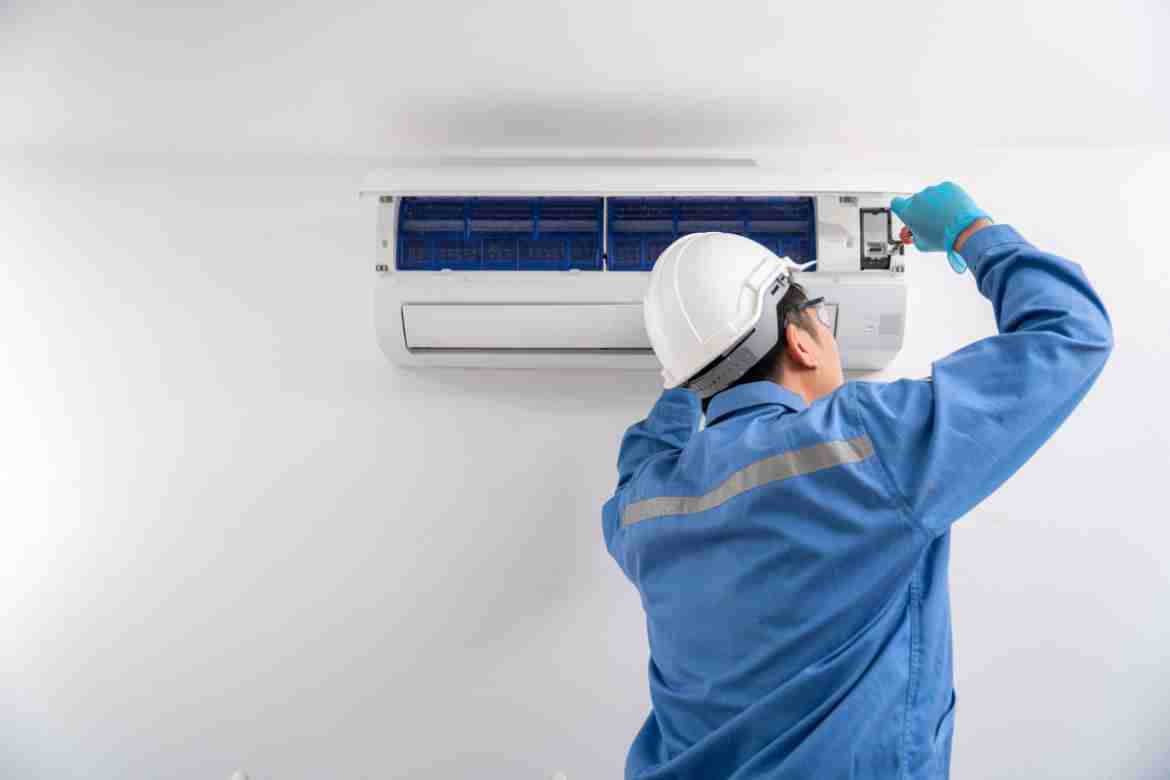
Once the evaluation is finished, the installer will work on preparing your home for the upgraded system. This may involve installing or altering ductwork for central air systems or placing the indoor and outdoor units for ductless mini-splits. It's important to make sure that all electrical and ventilation needs are met, which may include securing necessary permits. The installation team is going to communicate with you throughout this process, describing the work being done and addressing any questions you may have.
After the installation is finished, the technician will conduct a series of tests to ensure everything is operating as expected. This includes inspecting for proper airflow, testing the thermostat, and assuring that the system operates efficiently. Additionally, you'll be provided with important maintenance tips and information about warranties. With everything in place and operating at peak performance, you can enjoy a cool, cozy home and the peace of mind that comes from a certified installation.