From Wet into A Dry State: Change Your Basement using Waterproof Solutions
Do you feel tired of handling a damp and musty basement? Changing Visit website into a dry space is a feasible goal; it's an attainable goal with the proper waterproofing techniques. If you are looking to build a cozy living area, a functional storage space, or safeguard your investments, effective basement waterproofing is crucial. It doesn't just help you retrieve valuable square footage and also safeguarding your home’s structural integrity.
In this definitive guide to basement waterproofing, we will explore all you need to understand to keep your basement safe and comfortable. From recognizing the signs that indicate your basement needs immediate attention to understanding the different waterproofing methods available, we’ve got you covered. Find out why investing in waterproofing is beneficial for your home’s value and what inquiries to make when choosing a contractor. Say goodbye to dampness and welcome a healthier, more inviting home environment.
Clues Your Basement Requires Waterproofing
A major indication of the need for basement waterproofing is the presence of dampness or dampness. When you see water stains on the walls, a musty odor, or condensation forming on glass panes and tubes, it is a strong sign that moisture is entering your basement. If ignored, this moisture can cause mold growth and other structural problems, making it key to take action as soon as you notice these issues.
A further sign to consider is peeling paint or wall coverings. When your basement walls are bubbling, showing signs of discoloration, it suggests that humidity is contained beneath the surface. This not only impacts the overall look of your space but also signals potential damp issues. Overlooking these clues can accelerate deterioration and lead to more costly repairs down the future.
In addition, if you often notice musty odors in your basement, this could suggest mold or mildew due to prolonged dampness. Mold can grow in humid environments, creating health risks for you and your family. Regularly monitoring the air quality and any unpleasant smells can help you detect waterproofing issues before they grow into major problems.
Interior vs. Exterior Waterproofing: Which is Best?
As evaluating waterproofing in basements, homeowners frequently consider the options of interior and outdoor methods. Internal waterproofing involves the application of sealants and sealants on walls and floors to stop water infiltration from within. This approach can include the installation of drainage systems, sump systems, and dehumidifying systems. While these methods can efficiently handle moisture levels, they tend to target the effects rather than the underlying issues of water intrusion.
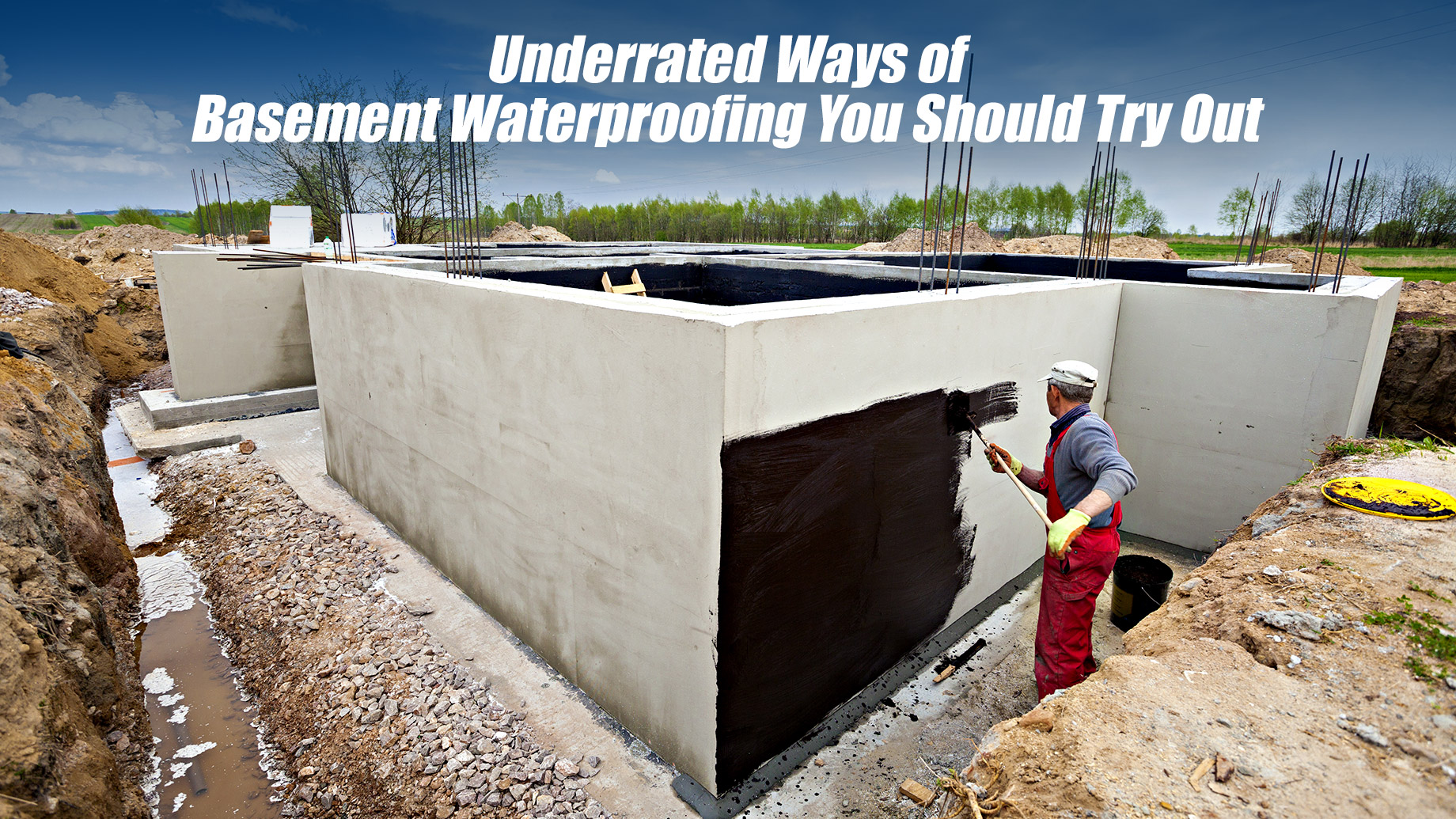
In contrast, exterior waterproofing focuses on stopping water entry into the foundation in the first place. This approach typically entails digging around the foundation to set up barriers and water diversion systems that guide water away the home. Though outdoor methods are often costlier and labor-intensive, they deliver a thorough method to safeguarding the building and are generally seen as more effective for long-term prevention.
Ultimately, the decision for interior and exterior waterproofing methods is based on multiple considerations, including the degree of water-related issues, the structure of the house, and the financial considerations. A lot of specialists advise a blend of both solutions for optimal results. By considering both interior moisture control and external moisture barriers, property owners can maintain a dry and safe basement space.
How Waterproofing Your Basement Increases Home Value
Putting money into basement waterproofing might significantly increase your property's worth. Possible buyers tend to be apprehensive of houses with a background of water damage or moisture problems. By ensuring that making your basement space remains waterproofed, you present a home that is not just safe but also far less likely to incur costly repairs in the time ahead. This assurance can make your home more attractive to buyers who seek to avoid the hassle of restoration work.
Along with protecting the foundation of the property, waterproofing can also improve the utility of your basement. A dry basement can offer extra finished area, a home office, or entertainment space, further boosting the appeal of your property. Buyers typically consider added area as a significant asset, which leads to a higher sale price. A well-kept and dry basement can set your home apart from like homes in the market.
Moreover, waterproofing can improve your house's energy efficiency and internal air quality. A correctly sealed basement reduces the chances of mildew and mildew, contributing to a better indoor atmosphere. This attribute can be especially desirable to health-conscious buyers, making your home an more manageable sell. In essence, waterproofing does not just shield your asset but also improves the overall appeal and price of your property.