Garage Door Issues: Quick Fixes for Typical Troubles
Garage doors are an essential part of our daily lives, providing security and ease for our homes. However, like any mechanical devices, they can encounter a variety of issues that demand attention. From the frustrating moment when the garage door fails to open to the alarming sound of a snapping spring, many homeowners experience frequent garage door problems that can disrupt their day-to-day activities. Understanding these issues and knowing how to address them is vital for maintaining the safety and functionality of your garage door.
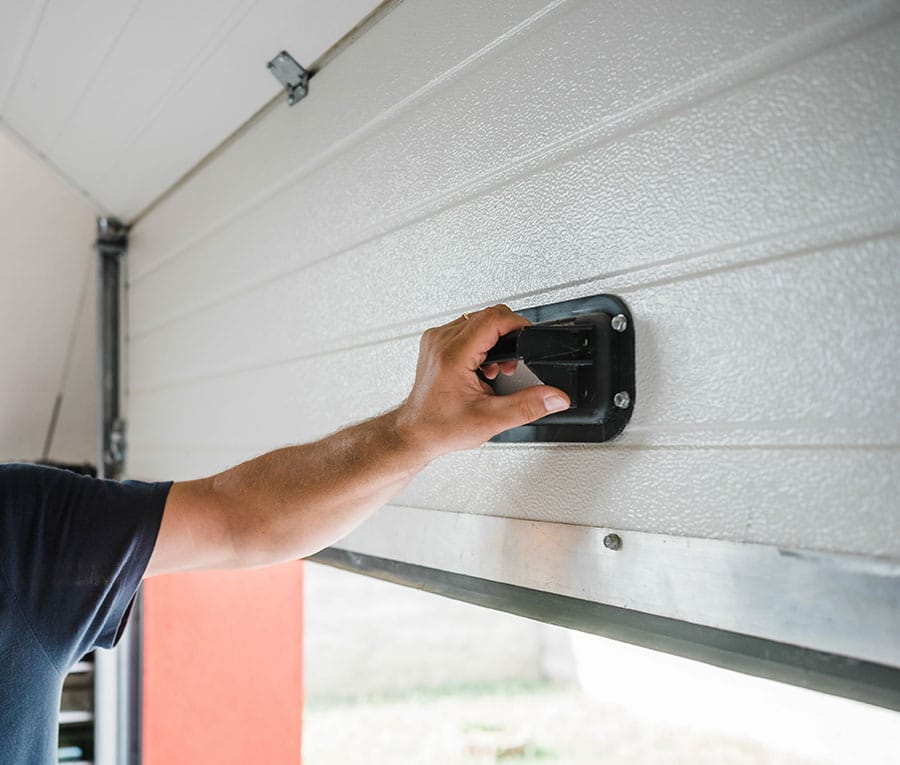
In this piece, we will discuss quick fixes for a few of the most prevalent garage door woes, from easy DIY solutions to important safety tips. Whether you're dealing with a troublesome noise or a total breakdown to operate, we aim to equip you with the knowledge you need to tackle these challenges head-on. With the right information at your fingertips, you can save time, money, and the hassle of dealing with a broken garage door.
Notable Carriage Door Problems
A most frequent problems homeowners face is a garage garage door that refuses function properly. This may be due to several factors, including displaced tracks, empty batteries in the controller, or faulty sensors. Often, a minor adjustment of the rails or changing the batteries can fix the problem. Still, if the door remains non-functional, it may suggest a more serious issue that needs attention.
Another frequent issue is the garage door producing strange noises while use. These sounds can range from grinding and squeaking to thumping and clattering, indicating that there is a problem. Usually, noisy doors are a result of insufficient lubrication or worn-out rollers, which can easily be addressed with regular maintenance. Detecting and fixing these noises early can help maintain the longevity of your garage garage door.
In conclusion, damaged springs are a common issue that can cause serious garage garage door dysfunction. These springs are crucial for lifting and lowering the door, and a break can cause the garage door to become unable to function. Though some homeowners may consider to fix springs on their own, it is important to note that this task can be hazardous and is typically better left to professionals. Recognizing Helpful hints can allow you act promptly before they grow into more serious repairs.
DIY Repairs and Maintenance
Many homeowners are able to tackle light garage door fixes and maintenance duties without needing professional assistance. Simple problems like adjusting the tracks, lubricating moving parts, and securing loose hardware might prolong the life of your garage door. Regularly inspecting these parts will help you identify problems before they escalate, saving you hours and costs in the long run.
One common maintenance task is oiling the garage door's moving parts, which include rollers, hinges, and the opener mechanism. Applying a silicone-based lubricant may reduce friction and minimize noise. Additionally, examine the door's balance by disconnecting the opener and manually lifting the door. If it remains in place, it's balanced; if it drops or rises, adjustments are necessary.
Yet, it's crucial to know your limits. Some repairs, such as changing broken springs or cables, demand specialized knowledge and tools. Attempting these fixes lacking proper experience can lead to injury or further damage to the door. Always prioritize safety, and when in doubt, consult a professional to handle more complex issues.
When to Reach Out to a Expert
Knowing when to contact a professional for garage door repairs is crucial for both safety and proper resolution of problems. If you come across problems that involve significant components, such as broken springs or cables, it is wise to seek professional help. Such parts are under significant tension and can cause harm if not handled correctly. A qualified expert will have the appropriate tools and experience to manage these problems safely.
Another situation that calls for expert intervention is persistent malfunction after trying simple repairs or adjustments. This includes issues like the garage door continuing to not opening or shutting correctly, despite your utmost troubleshooting attempts. It could signal underlying problems in the system, such as wiring issues or faulty opener mechanisms, which require specific knowledge and skills to fix.
Finally, if you observe signs of wear and tear that could threaten the safety of your overhead door—such as odd noises, imbalance, or malfunction of safety sensors—it is best to contact a specialist. Routine maintenance might not be enough in these cases, as the underlying issues can pose serious dangers. Bringing in an expert ensures that your garage door operates securely and efficiently, protecting your home and its contents.