Maximized Recovery: Athletic Performance and Intravenous Therapy
In today's fast-paced environment, athletes and active professionals alike are continually seeking ways to enhance performance and recovery. One increasingly popular option gaining traction is IV therapy. This novel method involves administering nutrients, minerals, and liquids directly into the circulatory system, providing immediate benefits for fluid balance and overall wellness. As more people uncover the benefits of IV therapy, its significance in supporting athletic rehabilitation and enhancing energy levels has become a focal point in wellness and fitness conversations.
Understanding what IV treatment is and how it functions is crucial for anyone thinking about it as part of their wellness routine. The process not just promises quicker hydration than traditional oral nutritional aids but also offers a customized approach to restoring nutrients that can help combat fatigue and promote a wholesome lifestyle. With numerous treatments available, including vitamin boosts to hydration therapies, it is no surprise that both athletes and health enthusiasts are turning to this contemporary wellness solution. In the following parts, we will explore the many benefits of IV therapy, its efficacy in comparison with oral nutritional aids, and what you can anticipate during your initial session.
Grasping IV Therapy and Its Benefits
IV treatment, or IV therapy, entails providing fluids, supplements, and minerals directly into the veins through a vein. This technique facilitates quick uptake and guarantees that the body receives vital components more effectively than standard dietary supplements. By avoiding the stomach, IV treatment can deliver prompt restoration and nutrient restore, which is especially beneficial for athletes and persons with busy schedules who may not have time to properly fuel themselves through diets or liquids independently.
One of the main advantages of IV treatment is its potential to improve hydration and general wellness. Many people experience tiredness and decreased effectiveness from inadequate hydration, particularly after strenuous exercise. Intravenous therapy delivers a robust solution, swiftly rebalancing hydration levels and increasing energy levels. The administration of nutrients, such as ascorbic acid and B vitamins, can also enhance the defense mechanisms and foster healing, making intravenous therapy a favored option among sports performers and health-aware clients together.
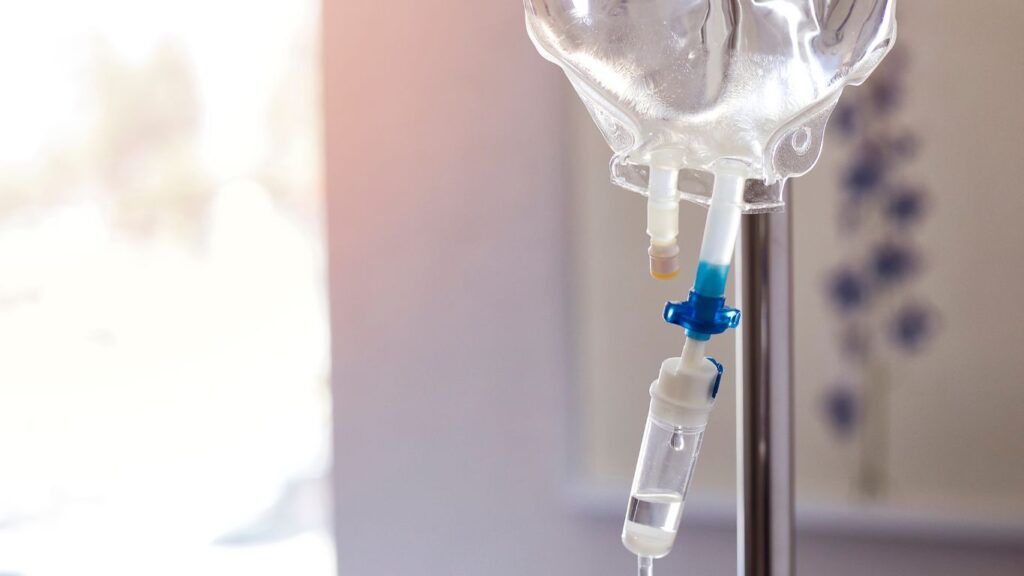
Moreover, IV therapy can be tailored to address individual needs, offering a variety of treatments that address specific health concerns. From hydration and vitality lifts to restoration and dermal wellness, intravenous therapy can play a vital role in a complete health strategy. By consulting a licensed practitioner, individuals can select the suitable formulation to further their goals, ensuring they obtain optimal advantages from each session.
IV Therapy for Rehabilitation and Performance
IV therapy has emerged as a favored tool among athletes and fitness lovers seeking to enhance recovery and improve athletic prowess. After intense physical activity, the body often requires restoration of essential fluids and nutrients to repair tissues and revive energy levels. Intravenous therapy delivers hydration and a mix of nutrients, minerals, and protein directly into the bloodstream, enabling quicker absorption and more prompt benefits compared to traditional oral intakes. This method addresses the body's immediate needs more efficiently, which can be essential after long-distance races or strenuous workouts.
Moreover, the tailored formulations used in this treatment can be adjusted to support recovery from various types of exertion. For instance, infusions high in electrolytes can help balance and prevent muscle cramps, while those containing B-complex and vitamin C bolster the immune system and reduce swelling. Sportspersons often report experiencing reduced tiredness and enhanced mental clarity following treatments, thus allowing them to return to their workouts more quickly. This strategic approach to hydration and nutrient replenishment supports not only physical recovery but also optimal mental performance.
Incorporating intravenous therapy into a regular recovery regimen can offer substantial benefits for performance-oriented individuals. By ensuring that the body is properly nourished and hydrated, sportspeople can improve their overall efficiency, helping them push through training plateaus. Many also find that pairing this treatment with other healing methods, such as proper nutrition and repose, creates a comprehensive approach to maintaining optimal health. As the sports and wellness industries continue to recognize the value of this treatment, more sports enthusiasts are adopting intravenous therapy as a crucial component of their recovery and performance strategies.
Safety and Aspects in IV Therapy
As considering IV therapy, protection is paramount. It's essential to pursue treatment from licensed providers who comply with rigorous medical guidelines. This doesn't just ensures that the equipment used is sterile, but also that the infusions are made correctly and tailored to personal needs. Proper training and certification of the healthcare team administering the therapy play a crucial role in minimizing risks associated with germs, hypersensitivity, and other issues.
Prior to undergoing IV therapy, a thorough assessment is recommended. https://zenivtherapy.com/ should include a examination of medical history, current medications, and any underlying health conditions. Individuals with specific health issues, such as kidney problems or heart conditions, may require additional consideration or alternative treatment options. Knowledge of these factors can help in creating a tailored and safe IV therapy plan.
Subsequent to the treatment, it's important to watch for any quick reactions. Although most people manage IV therapy well, some may encounter mild side effects such as discoloration at the injection site, dizziness, or temporary pain. Staying hydrated and following post-treatment directions from healthcare providers can enhance a positive recovery experience. Always communicate any concerns with your provider to confirm continued security and success of the therapy.