Nature's Palette: Rejuvenating the Beauty of Stonework
Natural stone finishes have a timeless beauty that brings character and grace to any building. Nonetheless, over time, the elements and everyday wear can take a toll on these surfaces, leading to a tired and worn appearance that diminishes their initial charm. This is where stone renewal comes into play, a specialized process designed to restore and preserve the beauty of stone materials. Understanding what stone restoration is and its significance can help property owners and caretakers value the significant impact it has on both visual appeal and property value.
In this piece, we will explore the comprehensive guide to natural stone restoration, exploring various approaches and services that can revamp your space. From recognizing common signs that your stone surfaces need attention to distinguishing the differences between washing, mending, and revitalizing, we will arm you with the information needed to care for and beautify your stone features. Whether it be marble, granite, or travertine, we will discuss essential advice and knowledge for homeowners, commercial properties, and historic buildings alike. Join us as we explore how qualified stone restoration can breathe new life into your property, ensuring that its beauty endures for generations to come.
Grasping Stone Restoration
Rock restoration is the procedure of fixing, washing, and maintaining natural stone facades to restore their original aspect and prolong their lifespan. With time, stones such as travertine can experience wear and tear due to external elements, human activity, marks, and scratches. Restoration techniques aim to resolve these issues, ensuring that the stone retains its aesthetic appeal and structural integrity.
The value of stone restoration lies not only in enhancing appearance but also in protecting the equity of properties. Properly cared for natural stone surfaces can greatly increase a home's first impression and investment value. Restoration can be particularly important in heritage buildings where the integrity of components plays a key role in preservation. By focusing on natural stone rehabilitation, residents and building supervisors can protect their asset and create a inviting atmosphere.
Understanding the multiple approaches involved in natural stone restoration is crucial for successful maintenance. This includes cleaning, buffing, coating, and repairing impaired areas. The approaches utilized depend on the kind of natural stone and the degree of the damage. Professionals often have the skills to assess the condition of natural stone and apply the suitable restoration techniques, ensuring optimal effects and durability of the rehabilitated stone.
Benefits of Expert Restoration
Professional stone restoration offers numerous advantages that greatly enhance the longevity and appearance of natural stone surfaces. First and foremost, skilled restorers possess the expertise and proficiency required to efficiently address various types of damage. They can identify underlying issues that may not be immediately visible, such as architectural damage or deep-set stains. By addressing stone conservation , professionals ensure that the restored surface is not only aesthetically pleasing but also stable.
Another notable benefit of professional restoration is the use of modern techniques and specialized equipment. Professionals have access to commercial tools and products that are often not available to the typical homeowner. This includes high-quality sealants, polishing compounds, and cleaning agents that can significantly improve the finish of the stone, restoring its original luster. Additionally, recent restoration techniques can be more effective, yielding results that are noticeably better to those achieved through DIY methods.
Investing in professional stone restoration can also lead to higher property value. Well-maintained stone surfaces leave a lasting impression on visitors and potential buyers, enhancing the overall appeal of your property. Whether it's a private space or a commercial space, beautifully restored stonework can create a inviting environment, contributing to increased marketability. Furthermore, maintaining stone surfaces through professional restoration can avert future costs associated with deterioration, ultimately reducing property owners money in the long run.
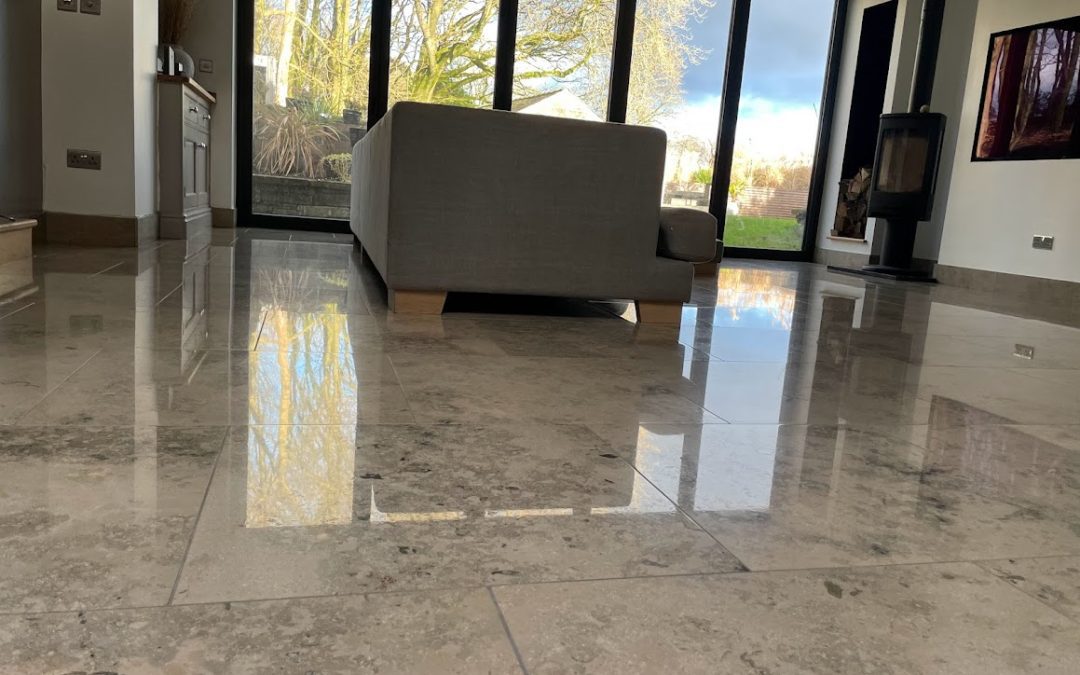
Care and Protection of Authentic Stone
To maintain natural stone surfaces appearing their best, regular maintenance is essential. This entails routine cleaning using pH-balanced stone cleaners to prevent harm the surface. Dust and debris should be swept or vacuumed away routinely to prevent scrapes. For spills, it’s crucial to wipe them away without delay, especially for acidic substances that can damage the stone. Creating a consistent cleaning schedule will help preserve the stone's natural beauty and extend its durability.
Sealing is a key part of protecting natural stone after restoration. A high-quality sealant can help protect against stains, moisture, and other environmental factors that might damage the stone surfaces. Depending on the type of stone and its usage, it may require resealing every six to twelve months. Regular inspections for damage and tear, as well as timely resealing, will keep the stones protected and enhance their longevity.
In addition, knowing how to protect your stone surfaces from everyday wear is important. Use coasters under glasses, place mats under dishware, and avoid dragging heavy objects across the stone. Each of these preventive measures can significantly reduce the risk of scratches and other damage. Teaching all household members or staff in commercial settings about proper care will also contribute to the longevity of your beautiful stone surfaces.