Out of Landfill into Environment: An Craft of Recycling
In a world where environmental concerns are becoming ever more critical, the significance of efficient waste management cannot be ignored. From houses to enterprises and communities, how we manage waste impacts not only the visual appeal of our environment but also the sustainability of our Earth. What was once thrown out in waste facilities is now being viewed through a framework of opportunity, converting waste into useful resources and fostering a culture of environmental responsibility.
Grasping the details of modern waste management strategies is essential for all stakeholders, whether you are a entrepreneur looking to boost your sustainability practices or an individual aiming to cut down on your home waste. This article will explore the various dimensions of waste management, from recycling and organic waste processing to the function of digital solutions and policies. Partner with us as we explore the transition from landfill to landscape, providing practical tips and insights to help you make a difference to a clean, more sustainable future.
The Importance of Efficient Waste Management
Proper waste disposal is essential for preserving a clean environment and facilitating sustainable development. Poor waste management practices can result in pollution, deteriorate natural resources, and worsen climate change. When waste is not managed properly, it can pollute soil and water, affecting local ecosystems and the health of communities. Thus, adopting effective waste management strategies is necessary for safeguarding our environment for coming generations.
For organizations, effective waste management directly affects operational efficiency and financial performance. By minimizing waste, businesses can cut disposal costs and even generate revenue through recycling and composting efforts. Moreover, organizations that value waste management often enjoy a positive public image, drawing in environmentally conscious customers and adhering to regulations. Wealth Management Saltash Cornwall cultivates consumer trust but also enhances employee satisfaction, as staff members tend to favor working for ethical businesses.
Communities also benefit from efficient waste management through better public health and enhanced quality of life. Proper waste management reduces the risk of infestations, the spread of disease, and unpleasant odors. Furthermore, adopting modern waste management solutions can result in cleaner streets, parks, and public spaces. By recognizing the value of managing waste responsibly, we can create safer, happier, and more vibrant communities where both people and nature can flourish.
Cutting-edge Solutions for Garbage Minimization
As the international community struggles with rising waste production, new strategies are surfacing to combat this challenge efficiently. One such approach is the integration of smart waste management systems. These technologies utilize devices and data analytics to enhance collection routes and schedules, reducing fuel consumption and running costs. Furthermore, smart bins equipped with fill-level sensors can alert waste management providers when they need emptying, reducing unnecessary collections and boosting efficiency.
Another innovative idea is the rise of zero waste projects, which aim to rethink systems and products to eliminate the idea of waste entirely. This includes designing sustainable wrapping options that are biodegradable or made from recycled resources. Businesses are progressively adopting circular economy practices, which stress recycling materials within production cycles. By valuing resource efficiency and sustainable practices, companies can considerably reduce their waste production while promoting environmental stewardship.
Soil enrichment represents a useful approach for individuals and communities to reduce organic waste. By processing food scraps and yard waste into nutrient-rich compost, households can redirect a substantial volume of waste from tips. Additionally, training programs about proper waste separation and composting techniques can empower individuals to make informed choices, additionally lowering waste production at the grassroots basis. As understanding grows, these innovative solutions pave the way for a more sustainable future, illustrating the power of communal action in waste reduction efforts.
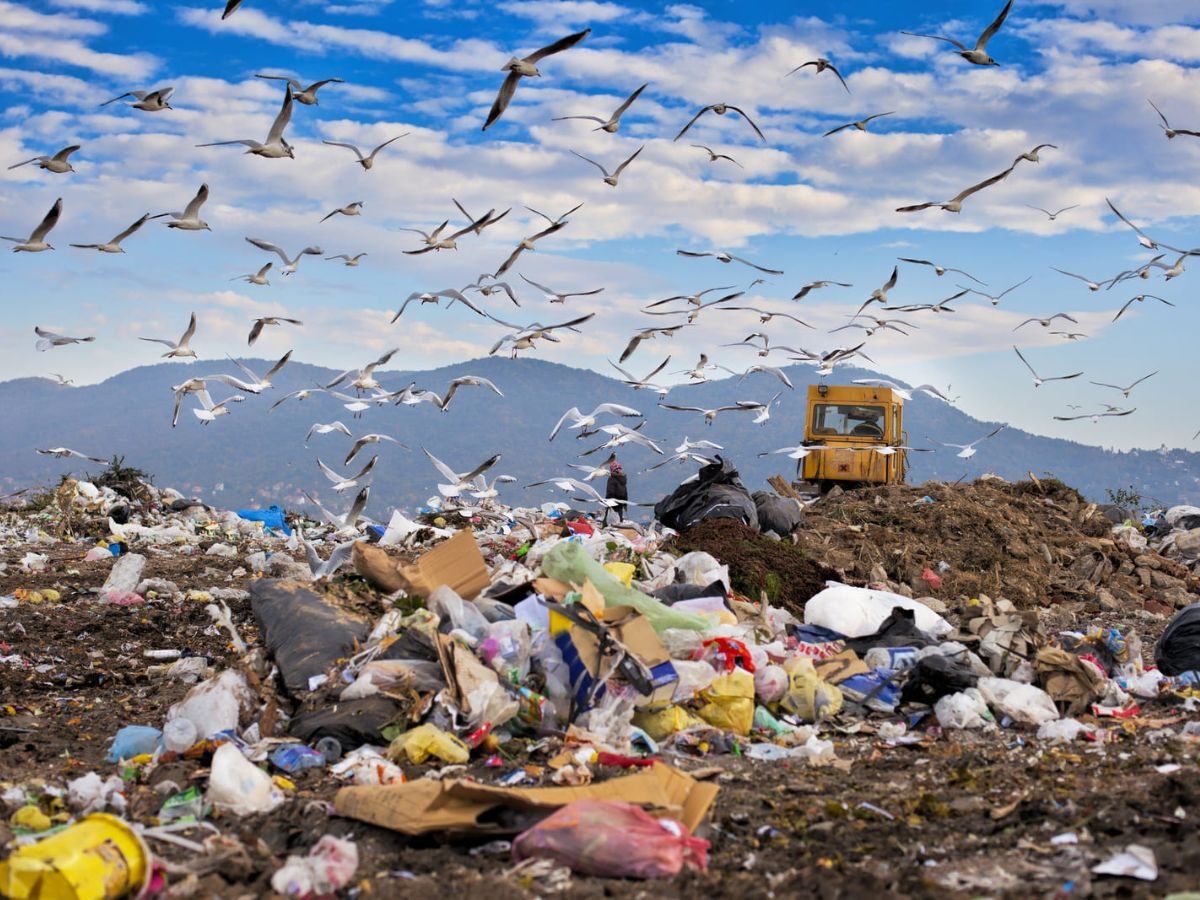
Creating a Eco-Friendly World By Recycling
The process of recycling has a key role in the transition toward a more eco-friendly future. Through converting refuse into useful assets, we can significantly diminish the quantity of substances that end up in dump sites. This not just lessens the pressure on our refuse management systems but also preserves earth’s resources by reducing the requirement for raw materials. Supporting recycling programs helps cultivate a culture of environmental responsibility, in which people and businesses alike are motivated to think critically about their consumption patterns and the duration of the items they purchase.
Moreover, efficient the recycling process can have a significant effect. It creates positions in different fields, from pickup to recycling of recycled goods. Local economies benefit as also when companies implement recycling practices, usually resulting in financial benefits and improved productivity. For businesses, establishing a green environmental plan that includes recycling not just improves their public image but further aligns with increasing public demand for environmentally conscious practices. In this way, recycling turns into an important component of a firm’s plan to succeed in a challenging market.
In conclusion, creating a green world through recycling calls for partnership among all involved parties, like authorities, companies, and individuals. Information and knowledge about what may and cannot be recovered are critical to enhancing engagement and promoting effective recycling efforts. As technology advances, new recycling techniques are arising, making the system more streamlined and available. With emphasizing recycling within waste reduction strategies, we can play a role greatly to the closed-loop economy, where waste is lessened, materials are repurposed, and environmental impact is mitigated, resulting in a more vibrant earth for future generations.