Refreshing Comfort: Instructions to Installing Your New AC Unit System
With the rising temperatures and the warm weather arrives, the comfort of a reliable air conditioning system becomes necessary for any home. If you're thinking about upgrading or installing a new AC unit, you're in good company. The process can appear complicated with so many alternatives and factors to consider. However, with the appropriate information, you can navigate this journey with comfort. We're here to provide you with a thorough guide to air conditioning installation, detailing everything you need to know from the get-go.
Whether it's understanding the signs that indicate it's time for a new installation or knowing how to choose the appropriate air conditioner for your unique needs, this article will cover crucial elements such as the importance of sizing, cost considerations, and the positive aspects of professional installation. With insights into the most recent developments in air conditioning technology and tips on setting up your home for implementation, you'll be armed to make informed decisions that ensure your comfort for the future. Let's dive into the cool world of air conditioning and discover how to create the best indoor oasis.
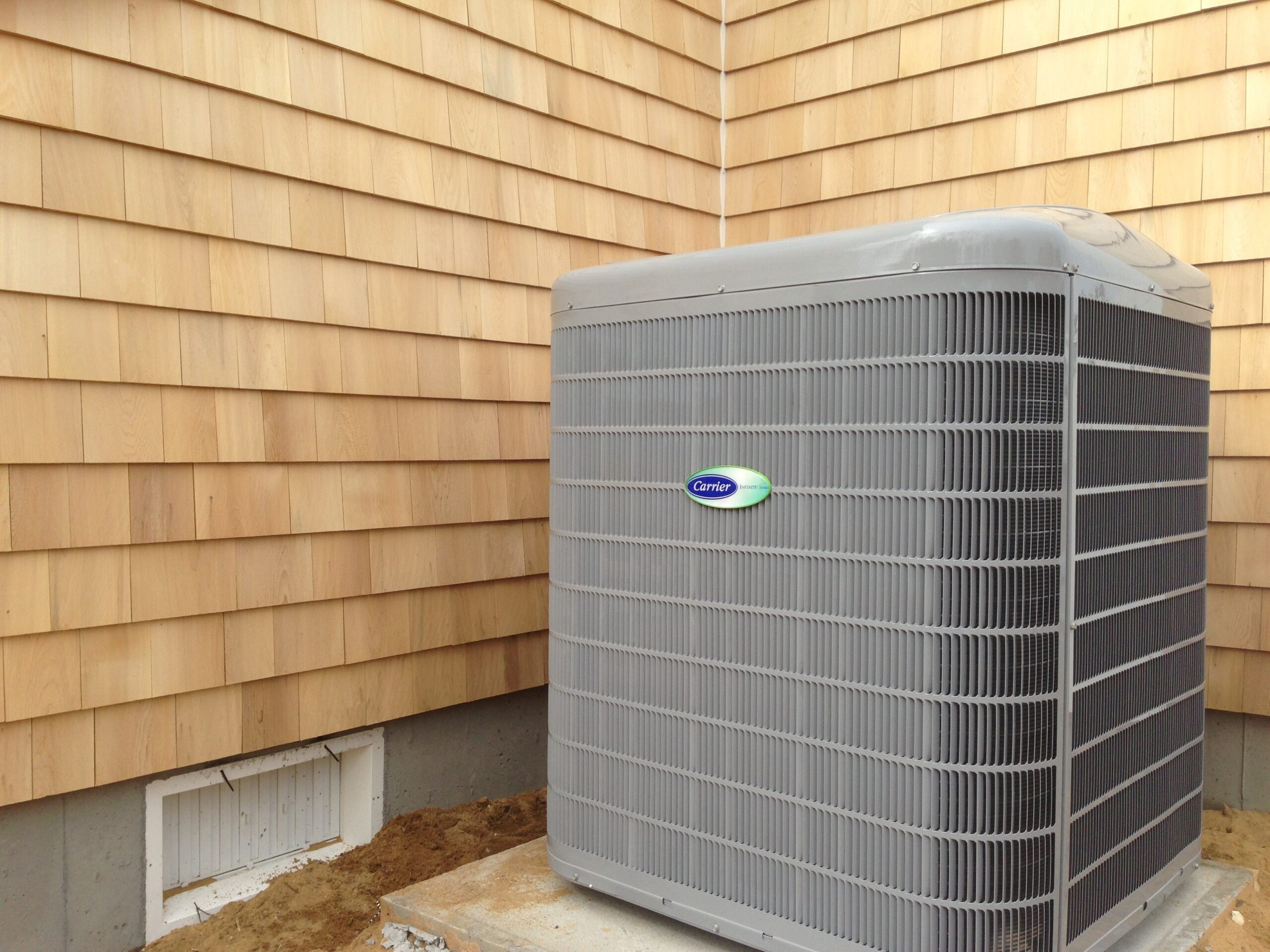
Selecting the Ideal Air Cooling System
Selecting the right air conditioner for your home is essential for maintaining comfort and energy efficiency. Start by evaluating the size of your space. An air conditioner that is too small will struggle to cool your home, while one that is too large can lead to inefficiencies and higher energy bills. To determine the appropriate size, you can calculate your home’s square footage and take into account factors such as ceiling height, insulation quality, and the number of windows. This will help you select a unit with the right BTU (British Thermal Units) rating for your needs.
Next, consider the type of air cooling system that best suits your living situation. Central air systems are ideal for larger homes with existing ductwork, providing even cooling throughout the space. Conversely, ductless mini-split systems are great for homes without ducts, offering versatility and the benefit of zoning. Think about how each system fits with your home’s layout and your preferences for climate management and energy efficiency.
Lastly, evaluate energy efficiency ratings, particularly the SEER (Seasonal Energy Efficiency Ratio) rating, which measures how efficiently an air conditioning system cools your home. Higher SEER ratings suggest better energy efficiency, which can lead to significant savings on your utility bills. Additionally, think about modern features like smart thermostats, which allow for remote control and scheduling to maximize cooling when necessary most. This thoughtful approach to selecting the right air conditioner can enhance comfort while also being economical in the long run.
AC Setup Process
The air conditioning installation procedure begins with a thorough assessment of your home and its temperature control needs. air conditioning installation Guildford will assess factors such as the size of your living space, insulation quality, and existing ductwork if applicable. This assessment helps determine the suitable type and size of the air conditioning system that will work best for your particular environment, ensuring maximum efficiency and comfort.
Once the right system is chosen, the installation team will prepare your house for the new system. This may consist of clearing the installation area, performing necessary electrical adjustments, and adjusting ductwork if needed. The team will also ensure that any changes adhere to state building codes and regulations. Careful preparation is crucial to facilitate a smooth installation and to prevent any potential issues later on.
In conclusion, the actual installation takes place. The HVAC technicians will set up the AC unit, connecting it to power, drainage, and ductwork. After the installation, they will test the system to ensure it operates correctly and effectively. They will also give you with details on system operation, upkeep, and any warranty details. A qualified installation not only ensures efficient operation but also gives you assurance knowing that the job has been done safely and properly.
Cost and Financing Options
The price of air conditioning setup can vary significantly based on multiple factors, including the type of system, the size of your house, and any additional features you may choose. On average, homeowners may expect to spend anywhere from $3,000 to $10,000 dollars for a new air conditioning system, which may not cover ventilation or other necessary adjustments. Obtaining multiple quotes from certified professionals can help you identify the best price and ensure that you are aware of all potential expenses.
Funding options are offered for those who may not have the full sum upfront. Many HVAC companies provide financing plans that allow you to pay for your installation over time, making it more affordable for your finances. Additionally, some producers have unique funding programs or rebates that can help you reduce costs on the initial cost, particularly if you invest in high-efficiency models. It's worth researching your options to find the best funding plan that satisfies your money-related needs.
It's crucial to think about the future savings associated with energy-efficient air conditioning systems, which can help lower your monthly utility bills. Investing in a higher SEER-rated unit may result in increased upfront costs, but the reductions on energy bills can offset those expenses over the long run. Moreover, funding options that incorporate energy reductions into their plan can further enhance financial viability. Diligently assessing your costs and financing choices will ultimately lead to a well-informed decision that benefits your house and budget in the long run.