Starting from Sci-Fi into Reality: The Evolution of AI Agents
The concept of AI has long been a staple of sci-fi, capturing the imagination of authors and audiences alike. Today, we find ourselves at a remarkable intersection where these previously unbelievable ideas are becoming a concrete reality in the form of AI agents. These sophisticated systems are changing how we interact with tech, enabling businesses to thrive in ways we could only imagine of a few decades ago. From automating routine tasks to improving customer service, AI agents are evolving rapidly, driving progress across multiple industries.
As we explore the varied world of AI agents, this article will provide a comprehensive guide for beginners and seasoned professionals alike. We will delve into the differences between AI agents and conversational agents, the capabilities they hold for automating everyday business tasks, and the important aspects to consider when selecting the right AI agent platform for your requirements. Whether you're interested about building your initial AI agent from the ground up or how these systems can revolutionize customer experiences, our discussion will illuminate the thrilling developments shaping the future of work and technology.
Comprehending AI Autonomous Agents
AI autonomous agents are computer programs designed to carry out tasks or make determinations autonomously, without the intervention of humans. They leverage advanced algorithms and machine learning techniques to scrutinize data, learn from experiences, and improve their performance over time. These programs can operate across various fields, such as customer service, marketing, and financial services, making them adaptable tools for businesses looking to enhance efficiency and productivity.
The key characteristic that sets apart AI agents from traditional software is their capacity to adjust and progress. Unlike static programs that require manual changes, AI agents can dynamically learn from new data and change their behavior accordingly. This adaptability allows them to manage complex tasks that involve real-time decision-making, which is becoming increasingly essential in today’s fast-paced business environment.
As AI autonomous agents develop further, they are revolutionizing industries by automating routine tasks and enabling strategic cognitive processes. Companies that integrate AI agents into their operations can experience significant advantages, including improved accuracy, reduced operational costs, and enhanced customer experiences. Understanding AI autonomous agents and their functions is crucial for businesses looking to utilize these innovations and stay competitive in the market.
AI Bots in Business Change
AI bots are at the forefront of business transformation, allowing organizations to simplify operations and enhance productivity. These smart technologies can automate routine tasks, enabling employees to concentrate on more significant tasks that demand innovation and strategic planning. From managing customer inquiries to handling data processing, these tools contribute substantially to functional effectiveness, providing companies a competitive edge in a rapid market.
The integration of AI agents into various sectors has led to transformative changes, particularly in areas like client support and selling. By employing artificial intelligence tools, organizations can offer 24/7 assistance, handle several questions at once, and provide tailored interactions that enhance client happiness. Similarly, selling AI Start-up gain from intelligent analysis that improve lead generation and assist in closing deals, thereby aiding in revenue increase and client retention.
As businesses continue to embrace intelligent tools, they are finding creative ways to leverage these technologies for continuous transformation. In project management, for instance, AI agents can facilitate better cooperation among staff by organizing schedules, tracking advancements, and providing instant information. The future of corporate is increasingly dependent on AI agents, as they ensure to not only optimize existing systems but also drive new models in employment and client interaction.
Building and Selecting AI Agents for Automation
When building an AI assistant, the first step is to explicitly outline its purpose and objectives. Comprehending the specific tasks you want the agent to handle will guide the decision of technology and structure. For example, an AI assistant focused on customer support will demand distinct features than one designed for project management. It is essential to analyze the demands of your company and identify bottlenecks that could be reduced by automated processes, which in turn improving efficiency.
Identifying the suitable platform for your AI assistant is equally important. Search for systems that include flexibility, compatibility with existing technologies, and accessible designs. The best AI tool platforms should also offer comprehensive analytics to assess performance and enhance workflows over time. Consulting reviews and case studies can help you judge potential tools, making sure they satisfy your organizational needs and infrastructure infrastructure.
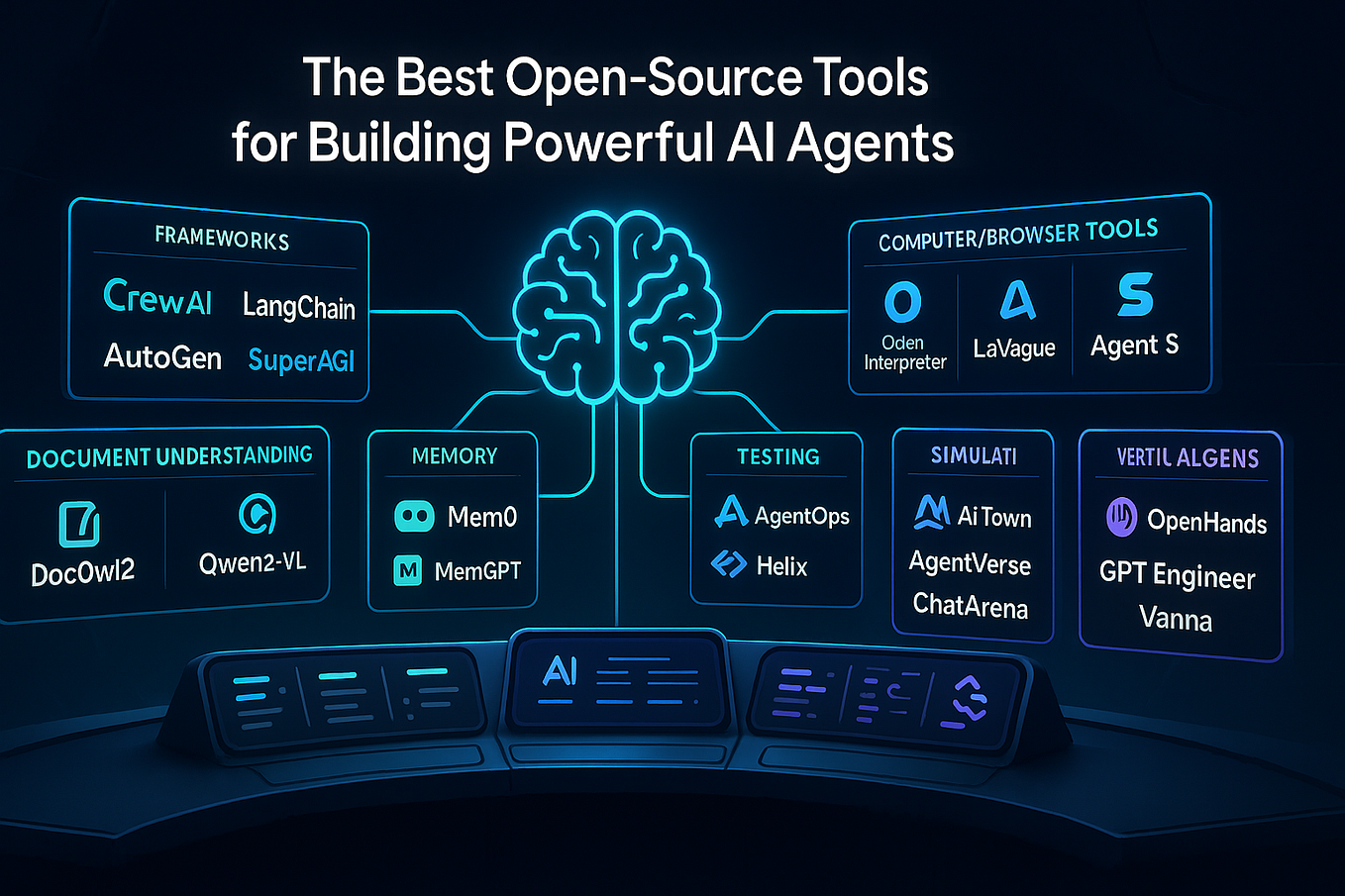
Lastly, consider the continuous support and revisions needed for your AI agent. While technology evolves and organizational requirements evolve, your selected assistant must stay flexible. Periodically reviewing the capabilities of the agent will help it continues to deliver value. Furthermore, training your staff to collaborate with AI assistants and to recognize their functions will maximize the potential of these smart tools in your workflows.