Turning Cold to Cozy: Grasping Heat Exchange Pump Mechanics
While the search for energy efficiency and eco-friendly living keeps to gain momentum, heat pumps are emerging as a groundbreaking solution for property owners seeking to transition from traditional heating and cooling approaches. These adaptable systems not only promise to lower energy bills but also contribute to environmental protection by minimizing carbon emissions. Getting to know how heat pumps work and their benefits is essential for those looking to improve their homes or invest in new construction.
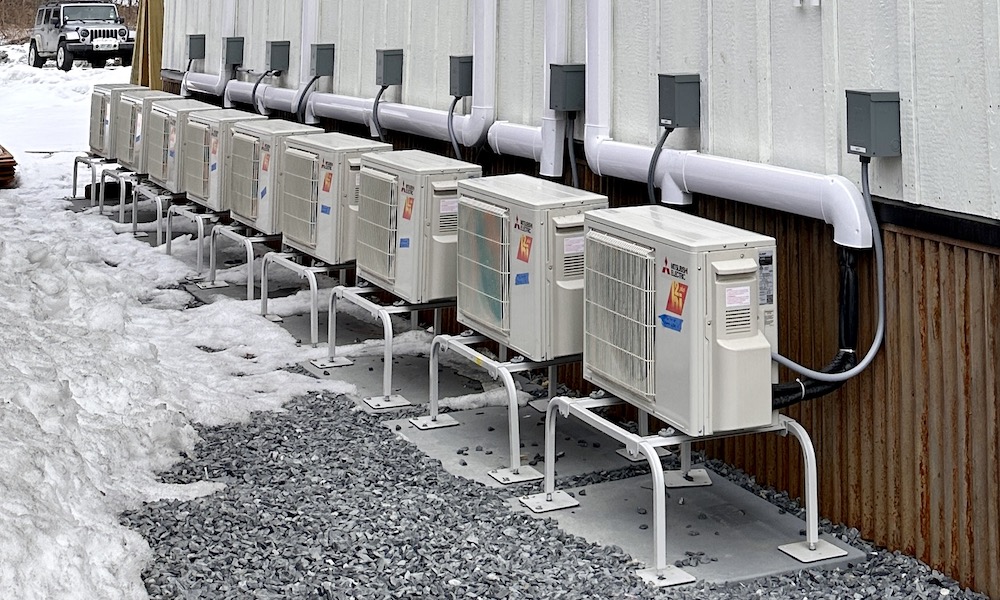
This detailed guide will explore everything you need to understand about heat pumps, from the basics of their operation to advanced considerations like setup and maintenance. Air Source Heat Pumps Harrogate Yorkshire will discuss the contrast of heat pumps to conventional HVAC systems, the effects of climate on their efficiency, and the myths that often accompany them. Whether you are in a charming mountain town like Aspen or a bustling city, you'll discover insights on how heat pumps can improve well-being in every season. Come along as we uncover the transformative potential of heat pump technology and help you make informed decisions for your home heating and cooling needs.
Comprehending Heat Pump Systems
Heat transfer systems are cutting-edge machines crafted to transfer heat from one place to another, providing both heating and cooling for dwellings. They function on the idea of temperature regulation, using a refrigerant that captures heat from the air or soil and then releases it inside the home. This mechanism allows heat pumps to transfer heat rather than generating it, making them an economical option for climate control. Homeowners are increasingly turning to heat pumps due to their potential for reduced energy costs and versatility.
There are two main types of heat pumps: air extraction and geothermal. Air source heat pumps draw heat from the external atmosphere, while ground source heat pumps, also referred to as geothermal heat pumps, capture heat from the soil. Each category has its own pros and drawbacks, with air source systems generally being simpler and more affordable to implement, while ground source systems typically offer higher effectiveness and longevity. Knowing the differences helps homeowners make wise choices based on their specific needs and local weather conditions.
With the increase in energy costs and a increased focus on sustainability, heat pumps are gaining notoriety as a viable alternative to normal HVAC systems. Their efficiency can result in substantial energy savings, minimizing both energy expenses and carbon emissions. Additionally, developments in tech are continually boosting heat pump performance, making them a strong choice for current homes. As homeowners look for ways to enhance welfare while being sustainable, heat pumps stand out as a positive option for heating and cooling needs.
Heat Pumps Performance and Expense Aspects
Heat pump systems are famous for their high performance compared to traditional temperature control systems. They function by transferring heat instead of producing it, which allows them to use remarkably less energy. The efficiency of a heat pump is commonly measured using the coefficient of performance (COP) and EER. Usually, heat pumps can reach a COP of 3 or greater, meaning they can produce 3 units of heat for every unit of energy consumed. This elevated efficiency not only translates to lower energy costs but also reduces carbon emissions, making them an eco-friendly alternative.
When looking into a heat pump, price considerations come into play beyond just the initial purchase price. Installation costs can differ depending on the kind of heat pump and the level of detail of the installation process. Air-source systems typically have minimal installation costs versus ground-source pumps, but the long-term savings on energy costs can justify the higher initial expense for geothermal heat pumps. Additionally, homeowners should consider upkeep expenses and possible discounts or tax breaks provided, which can significantly affect the overall investment in a heat pump setup.
It's important to assess your home's specific temperature requirements to ensure you select the correct size and variety of heat pump. An improperly sized heat pump can lead to inefficiencies, higher energy costs, and reduced comfort levels. Consulting with a qualified technician can help you find the optimal heat pump for your situation, factoring in aspects such as climate, home energy efficiency, and design. By making an knowledgeable decision, homeowners can increase both efficiency and budget benefits while enjoying the benefits of a heat pump setup.
Maintenance and Troubleshooting for Long-Term Performance
To ensure your heat pump functions effectively and remains operational for an extended period, consistent maintenance is crucial. This includes cleaning or changing filters every one to three months to maintain optimal airflow and efficiency. Additionally, it is vital to keep the outdoor unit clear of debris such as leaves, soil, and snow. A tidy environment allows the heat pump to function optimally and can avert a variety of possible issues down the line.
Keeping an eye on the performance of your heat pump can help you catch problems early. Listen for unusual sounds, such as clanging or grinding, which may indicate hardware issues. If you notice a decrease in heating or cooling performance, it could signal a coolant leak or faulty components. Be alert to the thermostat's responsiveness as well; an unresponsive thermostat may not signal the heat pump to function when needed, decreasing comfort and efficiency.
If your heat pump does experience issues, troubleshooting can often fix minor problems. Start by checking the thermostat settings and ensuring they are accurate. If the pump is not operating properly, inspect the circuit breaker and reset it if necessary. However, for more complicated issues like compressor failures or electrical problems, it's best to consult a specialist. Ongoing servicing by a qualified technician can help identify and fix problems before they grow, ensuring your heat pump continues to deliver reliable comfort throughout the year.