Turning Disaster towards Outstanding: Restoring Moisture-Damaged Spaces
Water issues can strike unexpectedly, leaving homeowners to feel overwhelmed and uncertain about the next steps. Whether it's a sudden leak from a burst pipe or an intrusion from a torrential downpour, the aftermath of water damage can lead to significant challenges. Understanding what to do right away after water damage occurs is essential for minimizing loss and beginning the recovery process. With the right approach, even the most devastated spaces can be transformed back into safe and welcoming environments.
In this comprehensive guide, we'll explore the essential aspects of water damage restoration, including identifying common causes to understanding the importance of timely intervention. We'll delve into the signs that indicate you need emergency water damage restoration and outline how professional services can protect your property from further deterioration. With insights on preventing mold growth and protecting your belongings, this article aims to equip homeowners with the knowledge they need to restore their homes effectively and prevent future issues. Whether you are facing a small leak or extensive flooding, mastering the art of water damage restoration can turn disaster into dazzling results.
Immediate Actions Following Water Inundation
When faced with water damage in your property, immediate action is crucial. The initial step is to ensure the safety of everyone present. If there are current hazards, shut down the electricity to the damaged zone to prevent shocks. Additionally, if the damage is extensive, leave the premises until a thorough assessment is finished. Keeping everyone safe should always be the top priority.
Once safety is ensured, begin assessing the degree of the damage. Determine the source of the water intrusion, whether it is from a burst pipe, damaged roof, or inundation. Document the situation with photographs for insurance purposes, as this will be important in the restoration process. If it is a plumbing issue, stop the water at its source if possible.
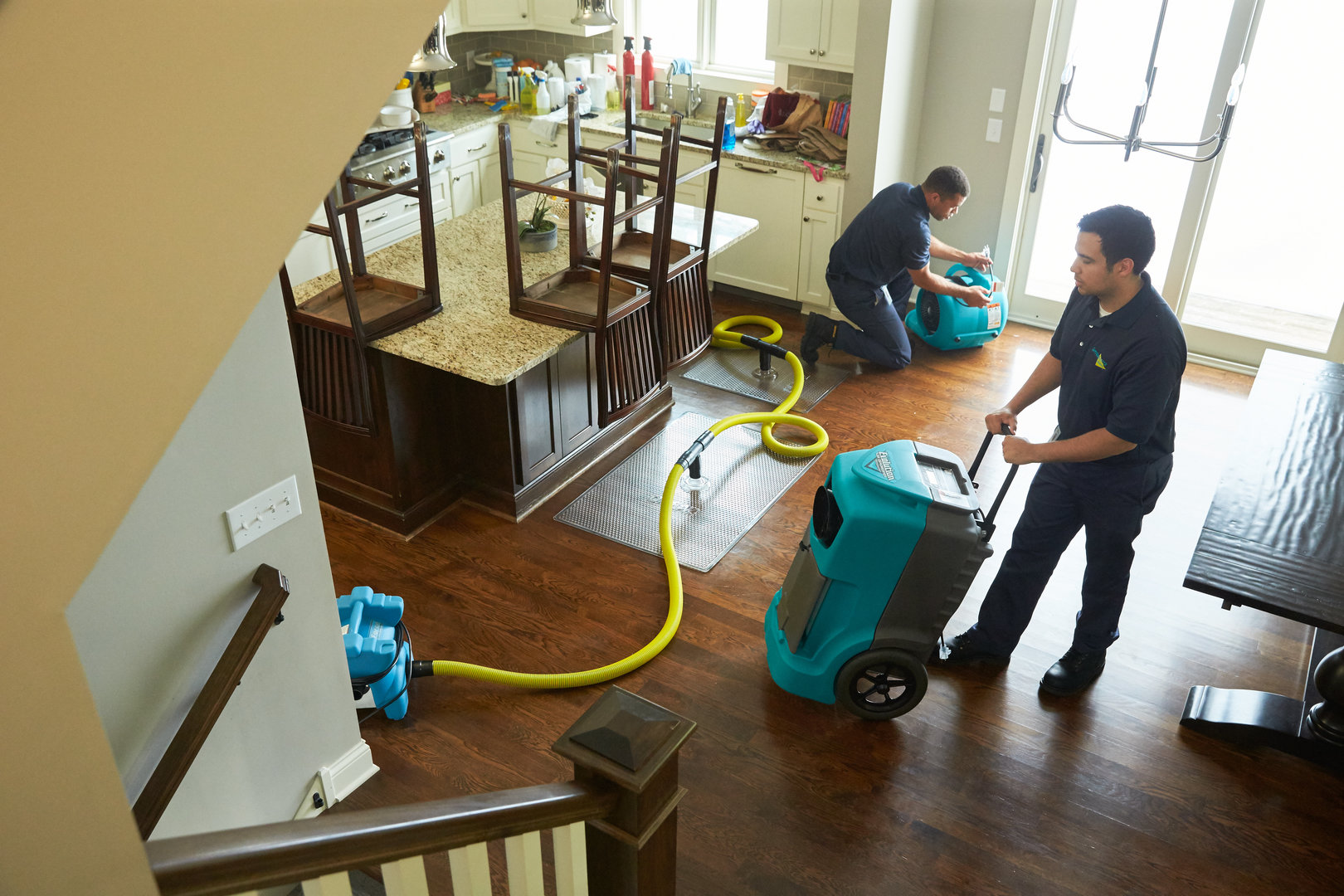
Next, begin the process of removing additional water and moisture as quickly as you can. Use fire damage restoration mesa az , mops, or wet vacuums to soak up standing water. https://postheaven.net/tauruswall69/is-your-property-water-logged-an-essential-checklist-for-thorough-restoration is essential, so open all available openings to help with drying. If you have fans or a dehumidifier, now is the time to use them. Fast action can minimize damage to your possessions and the integrity of your home.
Understanding Water Destruction Recovery
Water-related damage recovery is a vital process that includes the evaluation and restoration of moisture-related destruction in a residence. It begins with locating the origin of the water damage, which can come from different issues such as broken pipes, roof leaks, or flooded basements. Once the cause is recognized, the area is secured to prevent further damage and ensure the protection of the occupants. Understanding the specific circumstances and type of destruction is essential for creating an successful restoration plan.
The recovery process generally includes several important phases, including water removal, dry-out, and the fixing of affected materials. Effective water extraction is essential, as standing water can lead to the growth of mold and structural issues. After extraction, the affected areas must be thoroughly dried using professional equipment, as remaining moisture can cause further damage and health hazards. This phase frequently includes checking wall structures, ceiling surfaces, and insulating material for undetected moisture that must be addressed.
Ultimately, expert water damage restoration not only revitalizes your property but also protects your financial interests. It makes sure that any hidden dangers, such as the growth of mold, or structural weaknesses, are handled appropriately. By understanding the significance of a prompt and thoroughly executed restoration process, property owners can more effectively prepare for potential water damage problems and secure their properties from permanent harm.
Mitigating Future Liquid Damage
To stop future liquid harm in your house, consistent care is essential. Commence by examining your top for missing or deficient tiles. Ensure that drainpipes and downspouts are free of debris, allowing liquid to flow unhindered away from your house’s base. Conducting regular assessments can assist you discover small issues before they expand into high-priced fixes.
Additionally, pay attention to your pipe system. Consistently examine pipes for drips and contemplate modernizing antique plumbing to lessen the risk of explosions. Installing water leak detection devices can notify you to leaks promptly, offering you a more significant chance to minimize damage. Additionally, examine devices like laundry machines and dishwashers for any indications of tear or likely leaks.
In conclusion, addressing runoff issues surrounding your landscape is crucial. Make sure that the slope of your property directs liquid from your home. Contemplate putting in a drainage system or sump pump if needed. By adopting forward-thinking steps, you can considerably lessen the likelihood of experiencing flood harm in the long run, thus protecting your house and belongings.