Utilizing AI Agents: Boosting Efficiency and Performance
In the present rapidly changing corporate ecosystem, the integration of technology has become vital for keeping competitive. One of the most prominent developments is the rise of AI agents, capable tools designed to boost productivity and simplify operations across multiple industries. These autonomous entities are equipped of carrying out a various tasks, from automating mundane activities to providing insightful analytics that guide informed decision-making. For many organizations, utilizing AI agents is not just a fad; it represents a significant leap towards achieving operational excellence.
Grasping what AI agents are and how they contrast from traditional tools like chatbots is imperative for businesses who wish to capitalize on their potential. As we delve into the world of AI agents, we will investigate their influence on modern businesses, the multiple ways they can manage everyday tasks, and the revolutionary role they play in environments as varied as marketing, sales, healthcare, and software development. If you're a small business aiming to improve resources or a large enterprise wanting to revolutionize, this guide will provide valuable insights into leveraging AI agents effectively for improved efficiency and enhanced customer experiences.
Grasping AI Agents
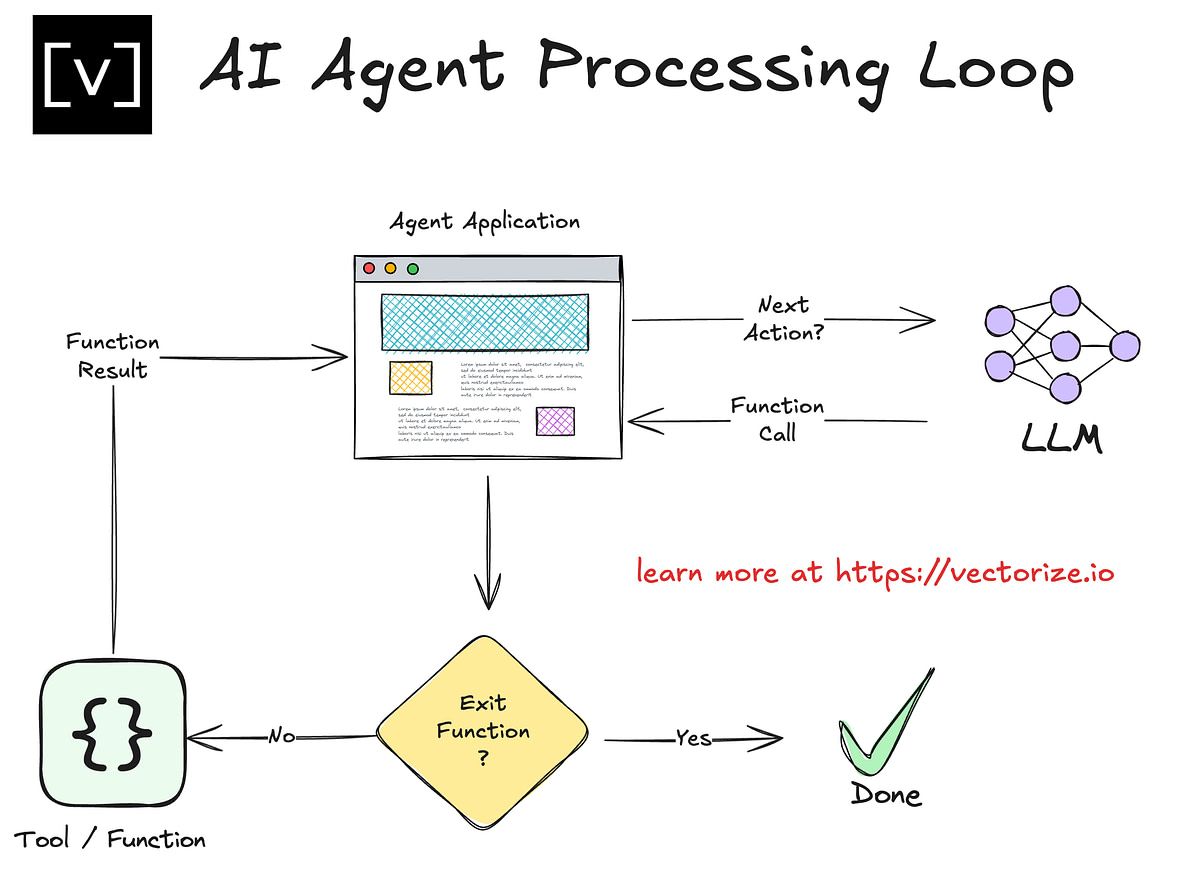
AI agents are software entities created to execute specific tasks on their own, depending on cutting-edge algorithms and machine learning techniques. They can handle data, learn from their experiences, and make decisions with limited human intervention. In contrast to traditional software that requires constant oversight, AI agents can adjust to changing conditions, making them highly effective in a variety of applications including customer service to data analysis.
These agents can work in real-time, providing businesses with the flexibility they need to respond to variations in market demands. They can automate mundane tasks, allowing human employees to focus on higher-level issues that require creativity and critical thinking. By embedding AI agents into workflows, organizations can optimize operations, reduce errors, and increase overall efficiency, leading to enhanced productivity.
In addition to practical benefits, AI agents are also changing customer interactions. They can study customer behavior and preferences, allowing for personalized experiences that enhance customer satisfaction. As businesses increasingly turn to AI agents for support and service, the potential for better engagement and loyalty becomes important, paving the way for further customer-centric business models in the future.
Artificial Intelligence Bots in Corporate Software
Artificial Intelligence bots are increasingly being incorporated into numerous corporate software, streamlining processes and enhancing overall productivity. These smart systems can execute a multitude of tasks independently, from handling client inquiries to optimizing supply chain operations. By streamlining repetitive tasks, businesses can allocate their human resources to more strategic initiatives, allowing workgroups to concentrate on innovation and growth rather than routine operations.
One significant area where AI agents are making a major difference is in client service. With Nenos Software to understand and respond to client queries in real time, these bots provide faster and more exact assistance than traditional methods. This not only boosts client satisfaction but also increases retention rates, as organizations can offer round-the-clock support and tailored experiences customized to unique needs.
In addition to client support, intelligent systems are revolutionizing advertising and sales efforts by automating prospect acquisition and campaign management. By analyzing data trends and customer behavior, these agents can identify potential leads and execute focused marketing strategies. This not only improves productivity but also enhances the ability to close deals, as sales teams can engage with potential clients at the right moment and with customized communication, ultimately driving financial success for the company.
Constructing and Choosing AI Agents
When it comes to creating your first AI agent, the primary step is recognizing your specific business needs. Identify the tasks or procedures that need streamlining to improve efficiency. This insight will steer your design strategies and assist you zoom in on the critical features that your AI agent needs to possess. Once you have a well-defined use case, you can begin examining various machine learning frameworks and tools that simplify the development process, such as PyTorch.
Determining the appropriate AI agent platform requires careful consideration of several factors. Look for platforms that offer user-friendly interfaces, robust integration capabilities with your existing systems, and sophisticated analytics to measure performance. Additionally, evaluate the platform's ability to scale to ensure it can grow alongside your business, as well as its provisions for security measures to shield private data. The ideal platform should be in harmony with your skill level and offer sufficient resources for training and development.
In conclusion, grasping the importance of testing and iteration cannot be overstated. Start by implementing your AI agent in a limited environment to collect feedback and improve its capability. Continuous monitoring allows you to spot areas for enhancement, adapt to shifting business conditions, and enhance user experience. As you iterate and improve your AI agents, you will discover that they not only boost productivity but also open up new opportunities for creativity within your organization.