Waste Not, Want Not: Ways to Minimize Your Environmental Impact
In today's fast-evolving world, effective waste management has become a essential aspect of both individual and commercial practices. Amid the growing volume of trash generated by households and sectors alike, understanding how to minimize our carbon footprint is crucial. Many people are unaware of the significant impact poor waste management has on the surroundings, market, and even public health. This article aims to arm individuals and businesses with the insight and tools essential to embrace improved waste management strategies that contribute to sustainability and efficiency.
From practical tips on reducing waste at home to detailed plans for businesses looking to adopt sustainable practices, this resource covers the essential elements of current waste management solutions. We will explore the positives of recycling, the significance of waste segregation, and innovative technologies that are revolutionizing the industry. With the aim of fostering a circular economy, we invite you to explore the crucial aspects of waste management that both lower costs and play a significant role in addressing climate change and safeguarding our planet for the generations to come.
Successful Refuse Disposal Tactics
Implementing effective waste management strategies is crucial for both sustainability and business efficiency. One of the initial actions in this approach is carrying out a garbage evaluation to evaluate the kinds and quantities of garbage generated. This data allows companies and people to recognize chances for reduction, recycling, and correct disposal. A garbage evaluation helps rank areas for development and provides a baseline for measuring progress over time.
A further crucial tactic is refuse sorting, which consists of separating different categories of waste at the point of origin. This practice not only facilitates recycling but also secures that hazardous waste are treated securely. Informing workers, household members, or local residents about the value of effective refuse sorting can greatly enhance the efficiency of waste disposal programs. By making it easier to recycle and manage refuse properly, entities can reduce pollution and increase.
In addition to these strategies, organizations should explore integrating technological advancements into their waste disposal systems. Intelligent garbage management solutions, such as refuse monitoring systems and data analysis, can help enhance garbage pickup and management schedules. These resources provide crucial data that empower organizations to lower garbage generation and lower waste management overheads. As technology continues to advance, utilizing these innovations will become ever important in creating a green future and minimizing environmental footprint.
Minimizing Garbage at Home and in Organizations
A of the highly effective ways to decrease waste is by implementing basic techniques in the home. Begin by assessing your shopping habits; focus on buying in large quantities or choosing items with minimal packaging. Additionally, employing reusable totes, storage items, and beverage bottles can significantly reduce on single-use plastic items. Turning food scraps into compost kitchen scraps not just limits the waste tossed to dump sites but also improves your plant grounds. Adopting thoughtful shopping practices and repurposing things can create considerable garbage cutback throughout the years.
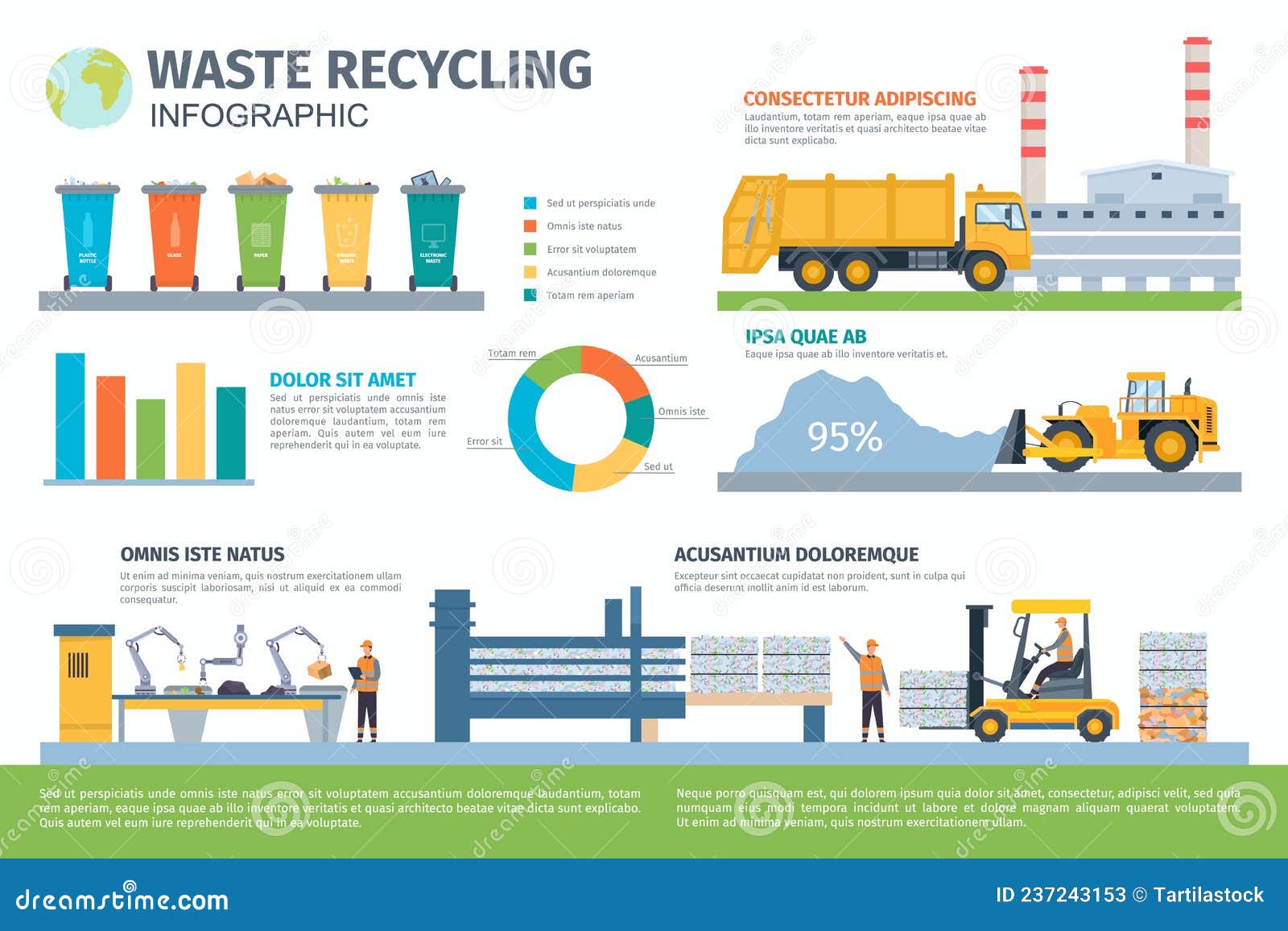
For businesses, developing a eco-friendly refuse disposal strategy is important for decreasing trash while boosting overall effectiveness. Begin with carrying out a waste assessment to grasp what is created, the quantity, as well as where enhancements can be implemented. This evaluation will enable businesses discover approaches such as minimizing surplus inventory, optimizing supply chains, or transitioning to electronic documents to minimize printed trash. Incorporating employees in sustainability projects can also foster a culture of accountability regarding trash management.
Collaboration between homes as well as organizations can additionally increase trash reduction efforts. People can support community companies that practice green waste management, creating a positive feedback cycle. Community cleanup activities or informative seminars on garbage sorting boost understanding and promote better management practices. Collectively, Wealth Management Bodmin Cornwall and companies can proactively assist to ecological conservation, fostering a solid feeling of community accountability toward waste disposal.
The Future of Sustainable Waste Solutions
As we progress, the merging of technology into waste management processes is set to redefine our approach to sustainability. Advancements such as automated bins equipped with smart technology will be able to monitor waste levels and optimize collection schedules, reducing fuel use and greenhouse gas emissions. These technologies not only enhance operations but also provide essential data that can help communities and businesses make educated decisions about waste reduction strategies.
Furthermore, community engagement and education will play a crucial role in fostering a mindset of sustainability. Programs that focus on teaching individuals about the importance of waste segregation, composting, and recycling will encourage communities to take meaningful steps in managing their waste. Local efforts that promote zero waste living can motivate collective action, leading to substantial reductions in the overall waste generated.
In conclusion, the concept of a regenerative economy will gain more attention in waste management strategies. Businesses will increasingly aim to design products with end-of-life considerations in mind, ensuring that components can be reused, recycled, or biodegraded. By focusing on closed-loop systems, we can limit waste and create a more sustainable future where resources are treasured and conserved, ultimately benefitting both the environment and society as a whole.