Waste Warriors: Meet the Forerunners in Green Waste Disposal
In an age where environmental concerns are becoming increasingly urgent, the value of effective waste management cannot be diminished. Each enterprise, home, and community faces the challenge of tackling waste, and how we manage it can have profound implications for our planet. As we strive for more eco-friendly solutions, there are leaders in the field who are leading the charge for innovative practices that not only reduce waste but also promote a circular economy.
This piece delves into the diverse world of waste management, providing insights into contemporary solutions that accommodate everyone from businesses to individuals. You'll learn about the critical function waste management plays in addressing climate change, the significance of recycling, and the positive aspects of smart waste management practices. From understanding the fundamentals of waste segregation to managing the intricacies of hazardous waste and e-waste disposal, our guide seeks to equip you with the expertise needed to become a waste warrior in your community. Join Take a look at the site here as we highlight the notable contributors in green waste management and uncover how we can all play a part to a more pristine, more sustainable future.
Significance of Proficient Waste Management
Effective waste management is essential for ensuring a clean and healthy environment. Properly managing waste not only reduces pollution and environmental degradation but also protects public health. When waste is not managed properly, it leads to tainting of air, water, and soil, which can present serious health risks to communities. Companies and individuals alike have a role to play in ensuring that waste is disposed of safely, which ultimately contributes to a cleaner planet.
Beyond environmental and health concerns, effective waste management is also important for monetary reasons. Poor waste management can lead to substantial costs for businesses, including fines, diminution of reputation, and increased operational expenses. By adopting Wealth Management Wadebridge Cornwall , organizations can lower their waste disposal costs and improve their bottom line. This not only benefits the companies directly but also encourages a more sustainable economy as resources are protected and reused effectively.
Additionally, the importance of proficient waste management extends to the broader concept of a closed-loop economy. In a circular economy, waste is viewed as a resource rather than a burden. By embracing strategies such as recycling and composting, businesses can minimize waste generation and play a part to a system that values sustainability. This transition not only enhances community engagement but also fosters innovative solutions that drive progress in waste management practices.
Innovative Strategies and Approaches
Today’s trash management landscape is changing rapidly, propelled by the need for eco-friendly approaches that reduce ecological footprint. One novel method is the use of tech in refuse management processes. Intelligent sensors and IoT devices are now employed in garbage containers to monitor capacity, allowing for improved collection routes and times. This not only lowers operational costs for waste management providers but also decreases the carbon footprint associated with waste removal activities.
Another transformative method is the embracing of refuse sorting strategies. By distinctly identifying the types of waste and setting up designated bins for recyclable materials, compostable items, and trash, both businesses and households can significantly improve their recycling rates. Education around recycling fundamentals is crucial; it helps people comprehend which items are recyclable, thereby lessening impurities and enhancing the effectiveness of waste processing centers. For companies, establishing robust waste segregation protocols can lead to significant cost savings and enhance their environmental reputation.
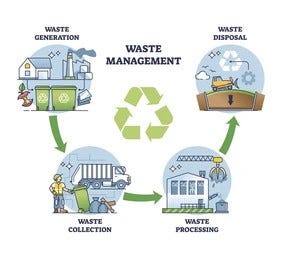
Finally, composting is gaining support as a effective method for lessening household waste. By transforming organic waste into enriching compost, families can not only diminish the amount of waste that ends up in landfills but also enhance their gardens without the need for chemical fertilizers. This method aligns with the principles of zero waste living, showing that minimizing waste can also lead to financial savings. As communities embrace composting projects, the connection between waste management and green practices becomes increasingly evident, highlighting the need for novel approaches in tackling our refuse issues.
Upcoming Developments in Waste Management
The environment of waste management is evolving rapidly, driven by advancements in tech and a increasing awareness of eco-friendly practices. One key trend is the integration of intelligent systems into waste management systems. Urban areas are progressively implementing smart sensors to monitor waste levels in receptacles, enhancing collection routes and cutting operational costs. This analytics-based approach not only enhances efficiency but also lowers pollutants related to waste collection, contributing with environmental objectives.
Another developing trend is the shift towards circular economy approaches. Businesses are recognizing the importance of producing products for longevity and reuse, closing the loop on refuse. This includes utilizing sustainable packaging and substances that can be quickly repurposed. As companies adopt waste reduction strategies, there is also a heightened attention on education and community participation, helping consumers comprehend their responsibility in garbage handling.
Lastly, the focus on zero waste initiatives continues to expand. An increasing number of individuals and organizations are aligning to lowering waste to landfill through strategies like composting and reprocessing. Legislation are also changing to encourage these efforts, motivating companies to embrace green garbage plans. As buying habits shifts towards sustainability, garbage services will need to modify their offerings to fulfill these requirements, leading to new ideas in refuse-cutting techniques and garbage processing methods.