Watt's Up? Grasping the Requirement for Electrical Installation Examinations
the modern fast-paced environment, the necessity of secure and effective electrical systems cannot be overstated. Electrical inspections play a key role in ensuring that homes and businesses not only comply with safety standards but also work efficiently. Whether you're a homeowner, a renter, or a business owner, comprehending electrical inspections is essential for safeguarding your investment and safeguarding your loved ones.
A lot of folks often overlook or underestimate the importance of frequent electrical inspections, which can lead to serious safety hazards and costly repairs. From discovering potentially dangerous issues to making sure you follow local codes, these inspections serve as a crucial checkpoint in maintaining a safe electrical system. In EICR Certificates Kirkcaldy Fife , we will discuss what electrical inspections entail, discuss their significance, and point out common concerns that may arise during these evaluations. By the end, you'll have a better understanding of why organizing these inspections should be a priority for everyone.
Comprehending Electrical Assessments
Electrical assessments are essential assessments that help ensure the safety and efficiency of electrical setups in homes and companies. They include a thorough evaluation of electrical wiring, receptacles, and equipment, helping to detect any potential risks or regulatory breaches. By systematically reviewing these parts, qualified inspectors can discover problems that may not be evident to the lay eye, providing peace of mind to property owners and entrepreneurs alike.
These inspections are critical because they can stop unsafe circumstances such as fire hazards, which may arise from faulty electrical wiring or overloaded circuits. Routine electrical inspections contribute to the lifespan of electrical infrastructures, making them more efficient and stable. By resolving problems early, property owners can prevent costly repairs and maximize the service life of their electrical systems.
Moreover, electrical evaluations are often mandated by law, especially during real estate transactions. Sellers and buyers must ensure that the electrical systems meet compliance regulations before finalizing a sale. Understanding the criteria and benefits of these inspections is essential for residential owners, particularly those in antique properties or those thinking about significant upgrades. This preventive approach not only improves safety but also protects assets in real estate.
Typical Problems and Their Fixes
During power inspections, several frequent issues often arise that can pose safety hazards. One prevalent issue is old wiring, which may not meet current electrical standards. This can lead to overheating and potential fire dangers. The remedy typically involves updating or updating circuits to adhere with modern codes, guaranteeing safety and reliability in the electrical system.
A further, frequent concern is overloaded circuits. Homeowners might use various high-wattage items on the same circuit, which can go over the circuit’s threshold, leading to blown breakers or electrical dangers. To resolve this, a qualified electrician might advise redistributing the loads across various circuits or setting up additional circuits to balance the power demand securely.
Furthermore, deficient grounding is a significant issue that can cause electrocution risks. Numerous older homes may lack adequate grounding systems to shield against surge events. To fix this, an electrician can evaluate the existing grounding setup and, if necessary, set up new grounding systems or enhance the current one, thereby improving safety and preventing shock incidents.
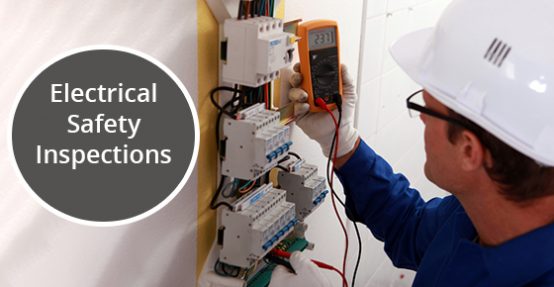
The Value of Consistent Evaluations
Consistent electrical inspections are vital for ensuring a reliable and functioning electrical system in all home or business. Over time, wear and tear, outdated components, and improper installations can lead to serious electrical hazards. By planning periodic inspections, homeowners and business owners can detect potential problems prior to escalation, ensuring both property safety and compliance with existing electrical codes.
Furthermore, regular inspections play a crucial role in energy efficiency. An outdated electrical system can lead to increased energy bills and excess waste. Inspections help locate areas where improvements can be made, allowing property owners to implement energy-efficient solutions. This not only lowers costs but also contributes favorably to environmental sustainability.
Finally, for those intending to lease or offer their properties, regular electrical inspections are crucial. These evaluations provide documentation that can significantly enhance property value and buyer confidence. Additionally, ensuring that the electrical system meets up-to-date standards can streamline the sales process, making it easier to attract prospective buyers or tenants who value safety and functionality.